
EBA FUTURE VISION
EBA Japan's Vision for the Future
Spectral technology is driving transformation across a wide range of industries. A glimpse into the
near future, where Spectral technology has been integrated
into society. Let’s take a quick look at what “Spectral Smart Life” looks like.




Health Care
Healthcare

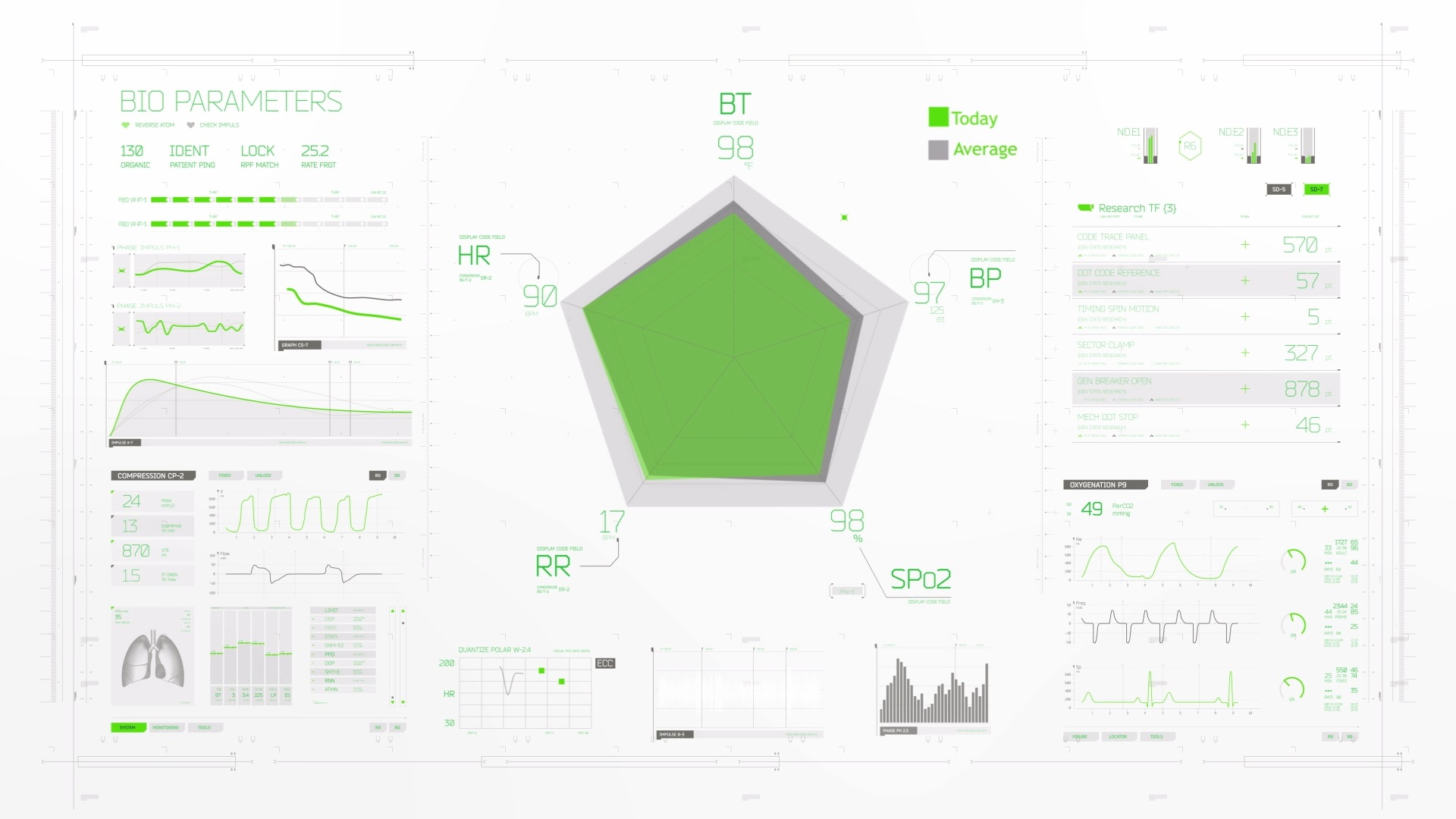

EBA is exploring non-contact optical and spectral sensing approaches for physiological signals, including pulse rate, respiratory rate, and oxygenation-related indicators.
Measurement accuracy and applicability depend on the conditions and intended use, and further validation is required before medical application.
Combined with appropriate data analysis, these technologies may contribute to future health-monitoring solutions.
Telemedicine
Healthcare


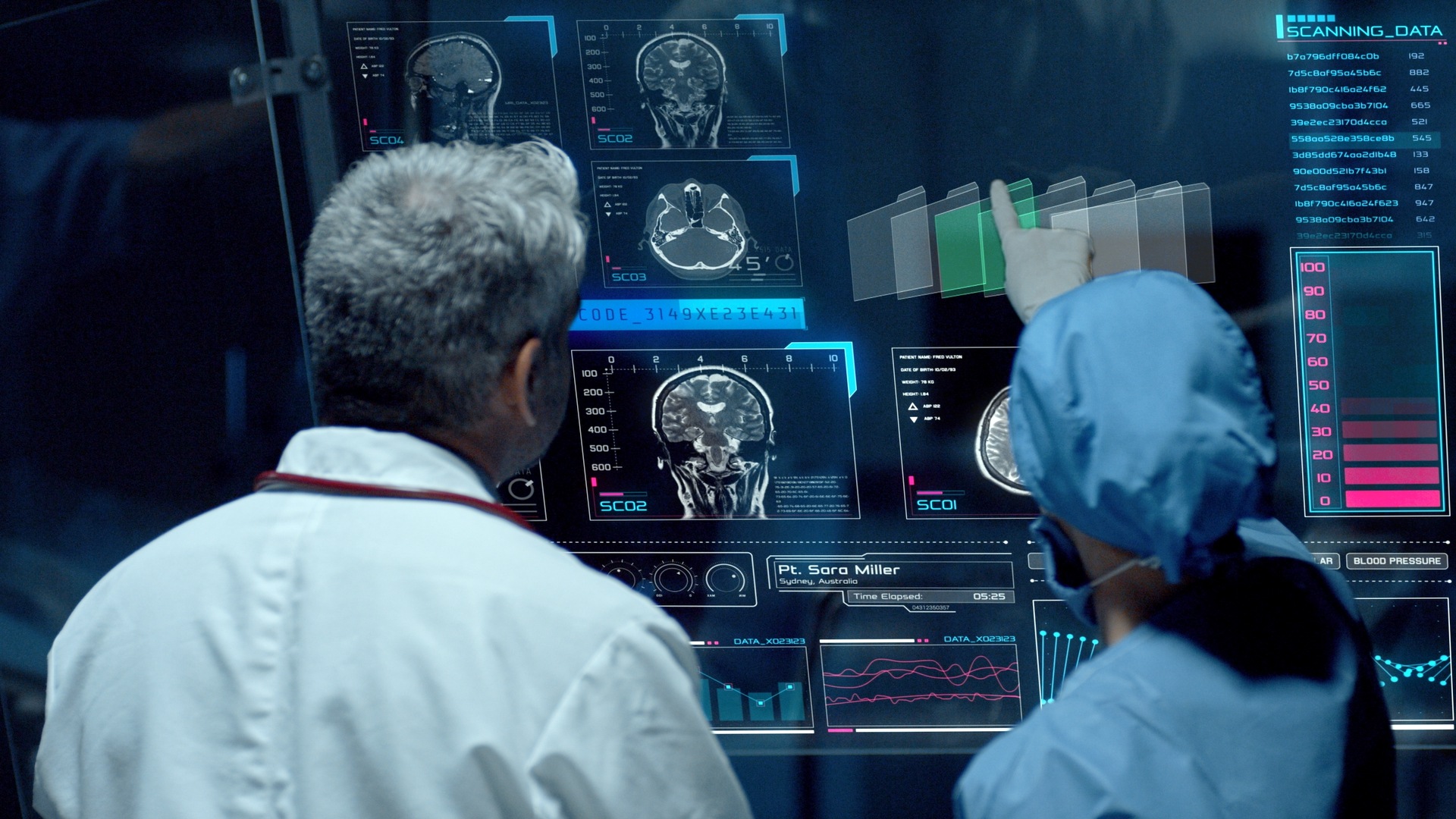
In the future of telemedicine, 5G-based hyperspectral data communication (patented) will enable safe and accurate diagnostic imaging.
The patient's vital signs data is transmitted via 5G to a proprietary cloud, and based on images analyzed using AI-powered deep learning, your primary care physician will remotely diagnose your health condition or illness.
This spectral deep learning technology continues to improve its diagnostic accuracy every day.
It can also be applied to a wide range of medical diagnostics, including the visualization and early detection of skin cancer—which has traditionally been difficult—as well as the management of chronic diseases.
We believe that a communication platform for this type of hyperspectral data is precisely the technology needed for future insurance system reform, and that it will serve as an effective measure to curb rising medical costs by increasing the number of healthy people.
Agriculture
Agriculture
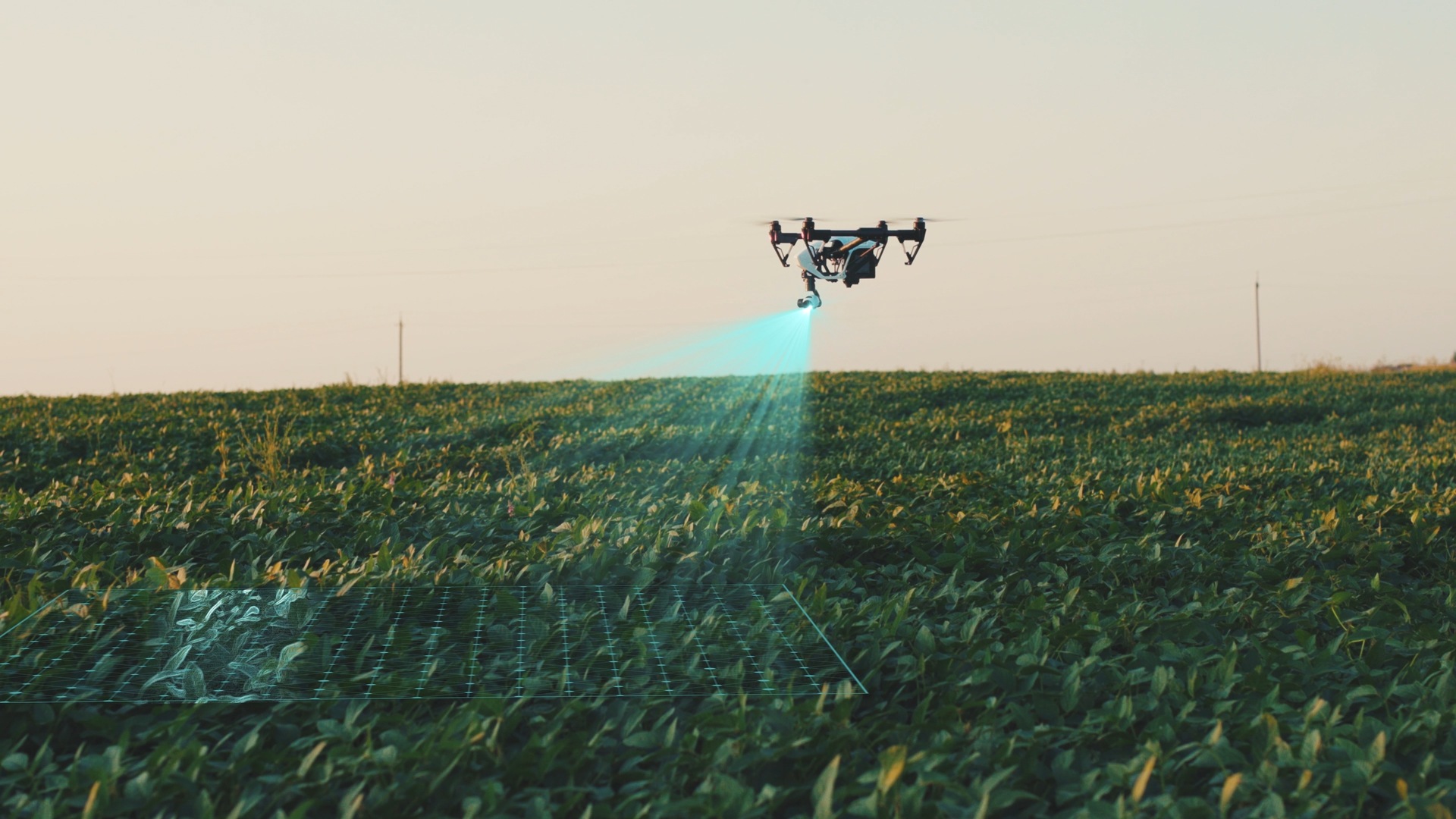
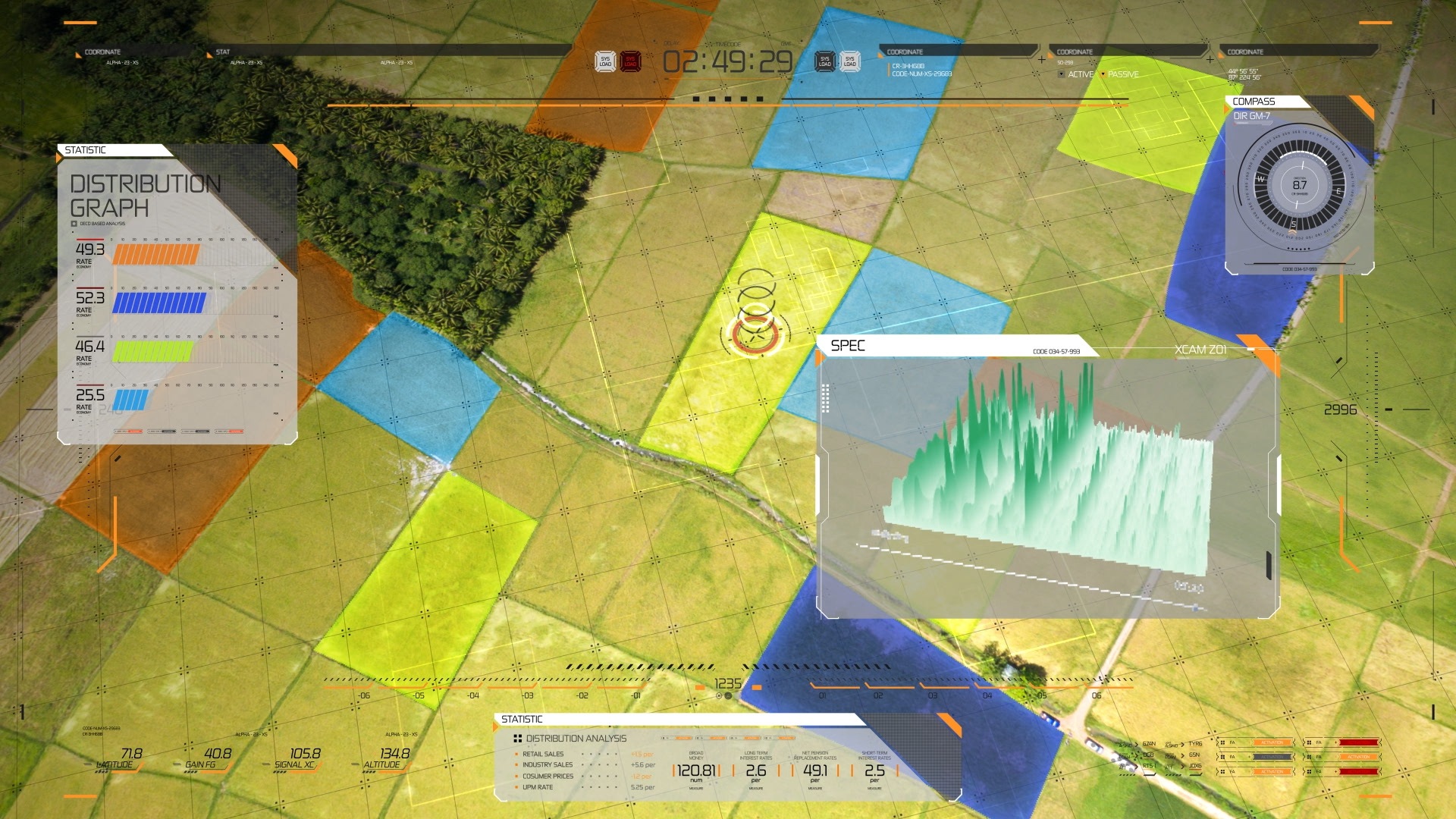
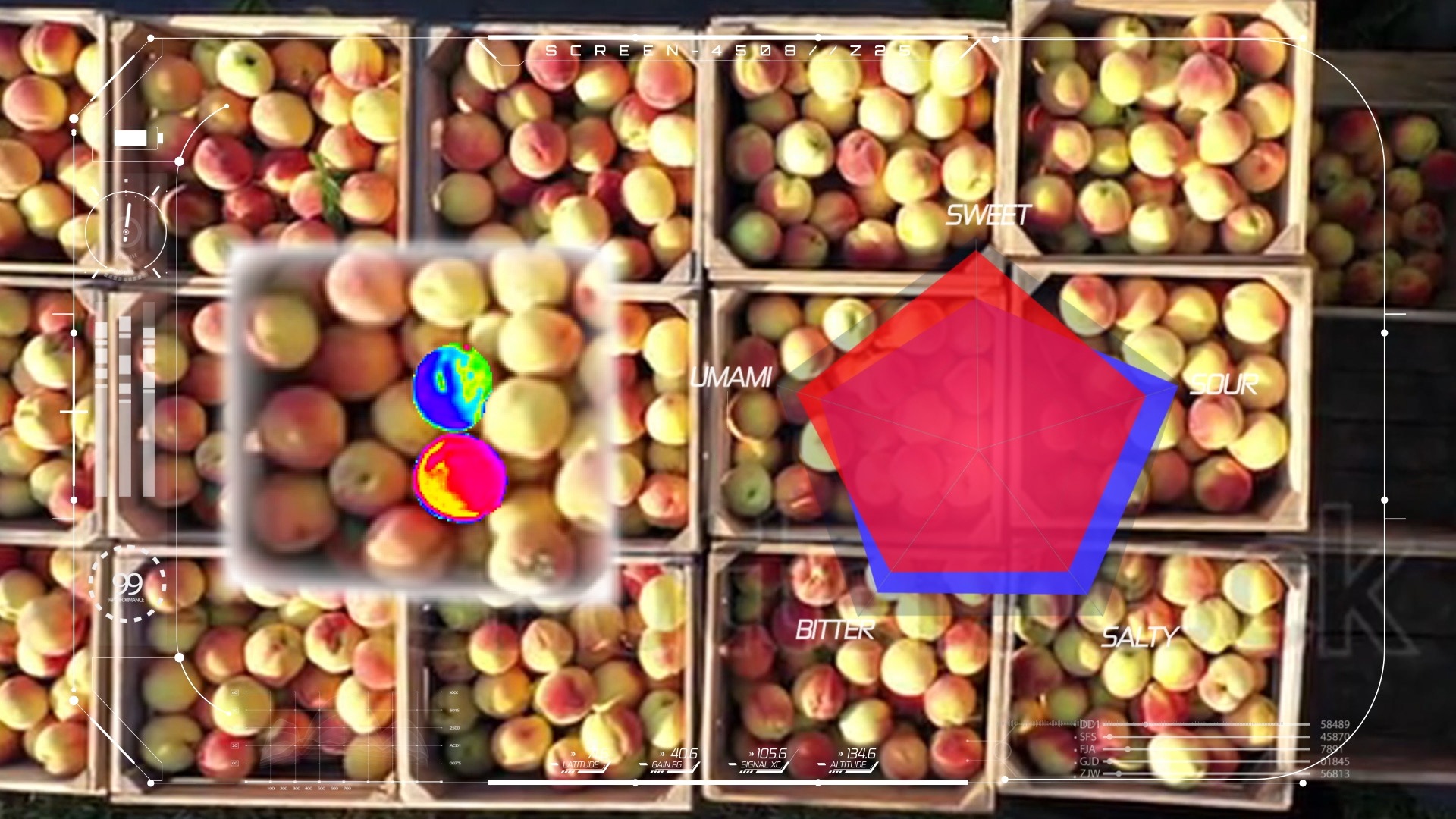
With the addition of EBA's spectral technology as a "new set of eyes," AgTech is also evolving.
An unmanned autonomous tractor equipped with a hyperspectral imager manages the field by sensing soil components such as nitrogen, phosphorus, and potassium, as well as crop growth conditions.
Field data is monitored and 3D-mapped using drones, resulting in 5D data that incorporates temporal and spectral dimensions. This enables smarter, more precise agriculture, including the prediction of harvest times, the identification of pests and diseases, yield forecasting, and the enhancement of crop value.
In addition, using spectral analysis makes it possible to quantify various indicators such as crop freshness, sweetness, and bitterness.
In the logistics of the near future, end-to-end quality control—including monitoring the degree of quality deterioration in crops before and after transport—will become a reality.
Infrastructure
Smart Construction & Inspection

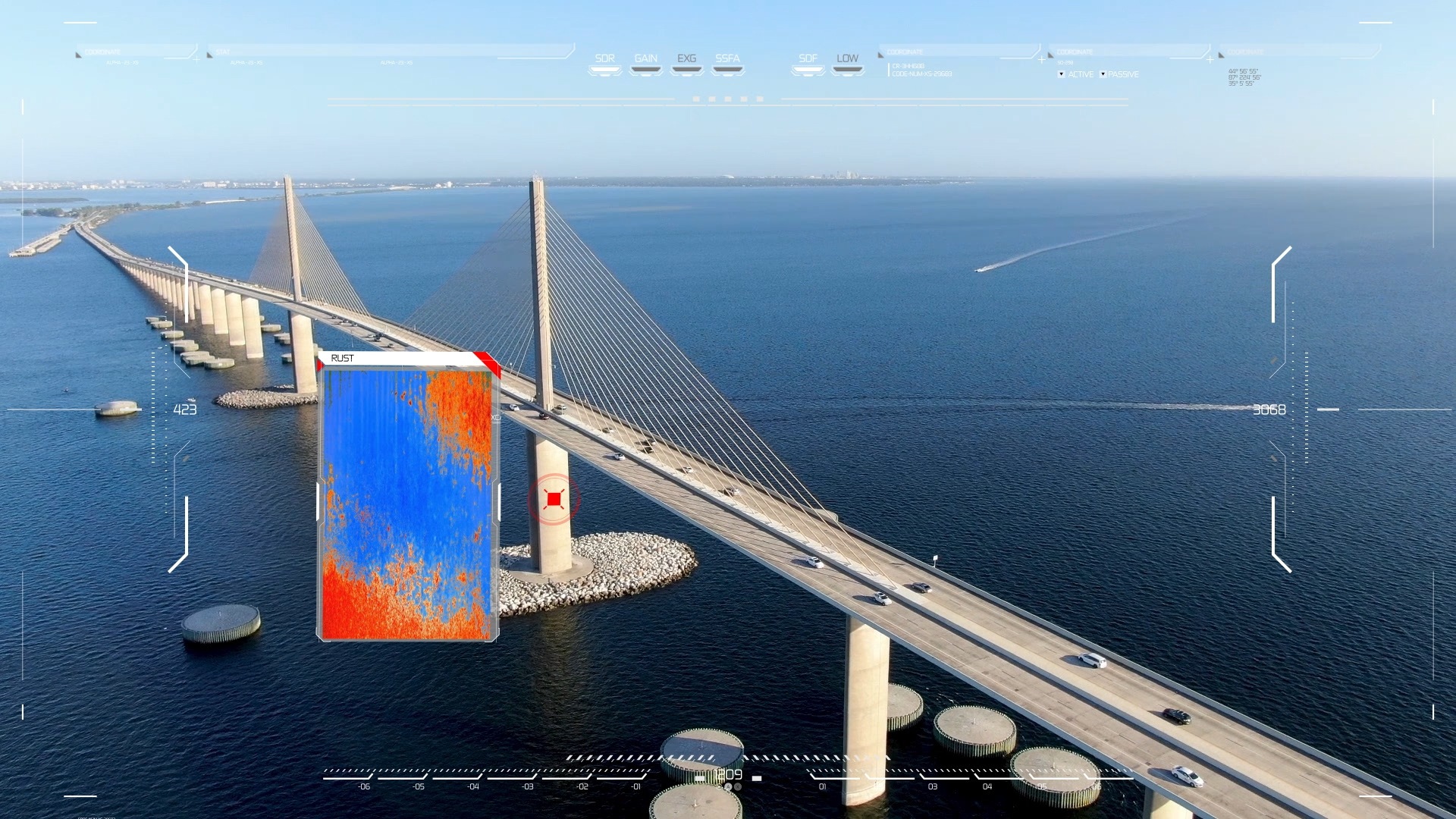
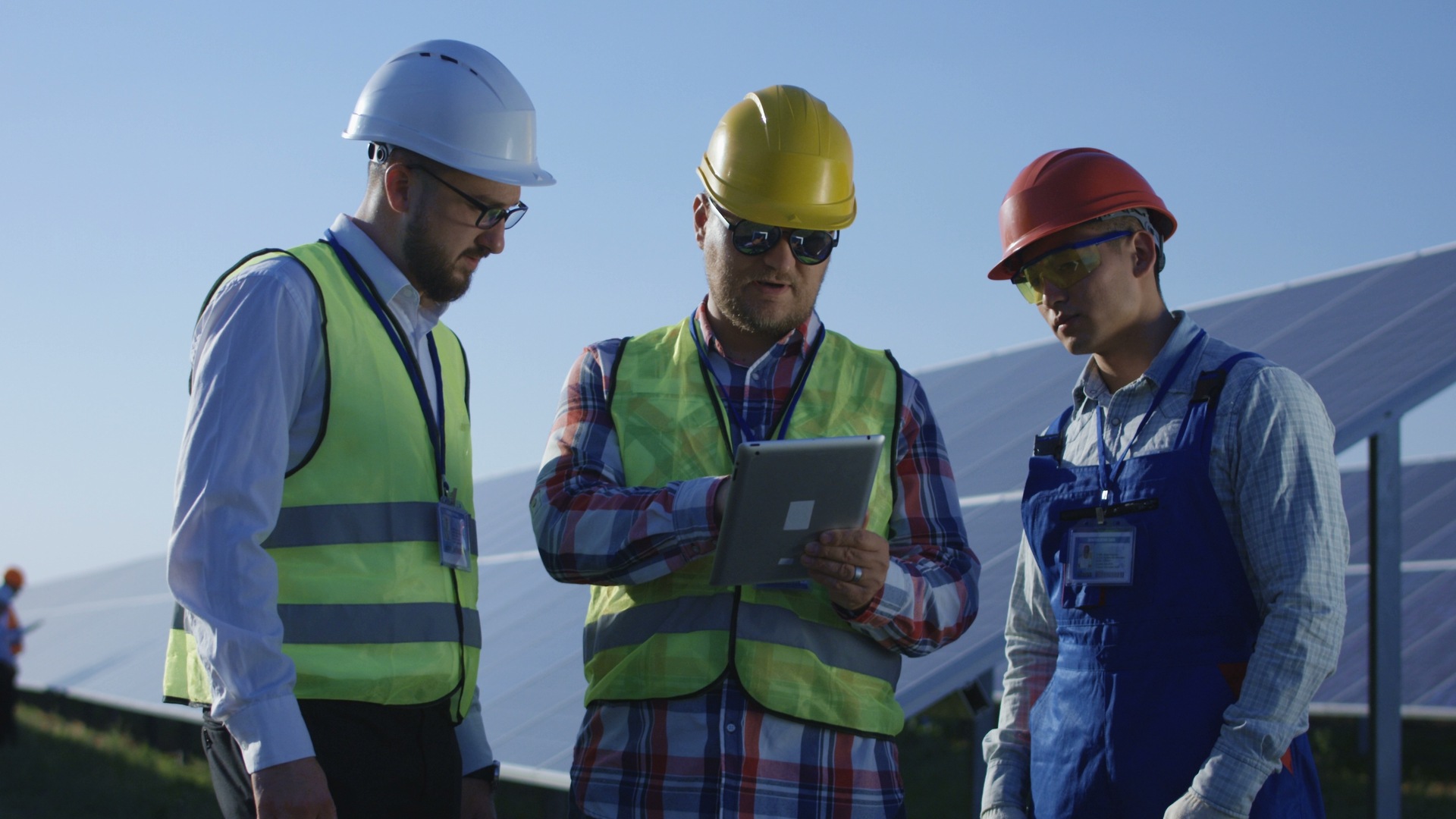
EBA Spectrum Technology brings a new way of seeing to both the construction and maintenance of essential infrastructure.
At construction sites, spectral imaging reveals the properties of excavated soil, rock formations, and construction materials by analyzing the wavelength-dependent characteristics of light.
Combined with AI and construction data, it helps advance smarter, more automated construction processes.
For existing infrastructure, such as bridges, tunnels, and power facilities, spectral imaging can reveal changes in corrosion, protective coatings, and concrete, making signs and patterns of deterioration visible. By mounting spectral cameras on drones and inspection vehicles, it becomes possible to assess the condition of structures across large areas more efficiently, track changes over time, and support better-informed inspection and repair decisions.
By detecting subtle changes earlier and across wider areas, EBA aims to make infrastructure construction safer and extend its service life. Through these technologies, we seek to protect the infrastructure we rely on today while helping build the infrastructure of tomorrow.
Remote Sensing
Remote Sensing and Space
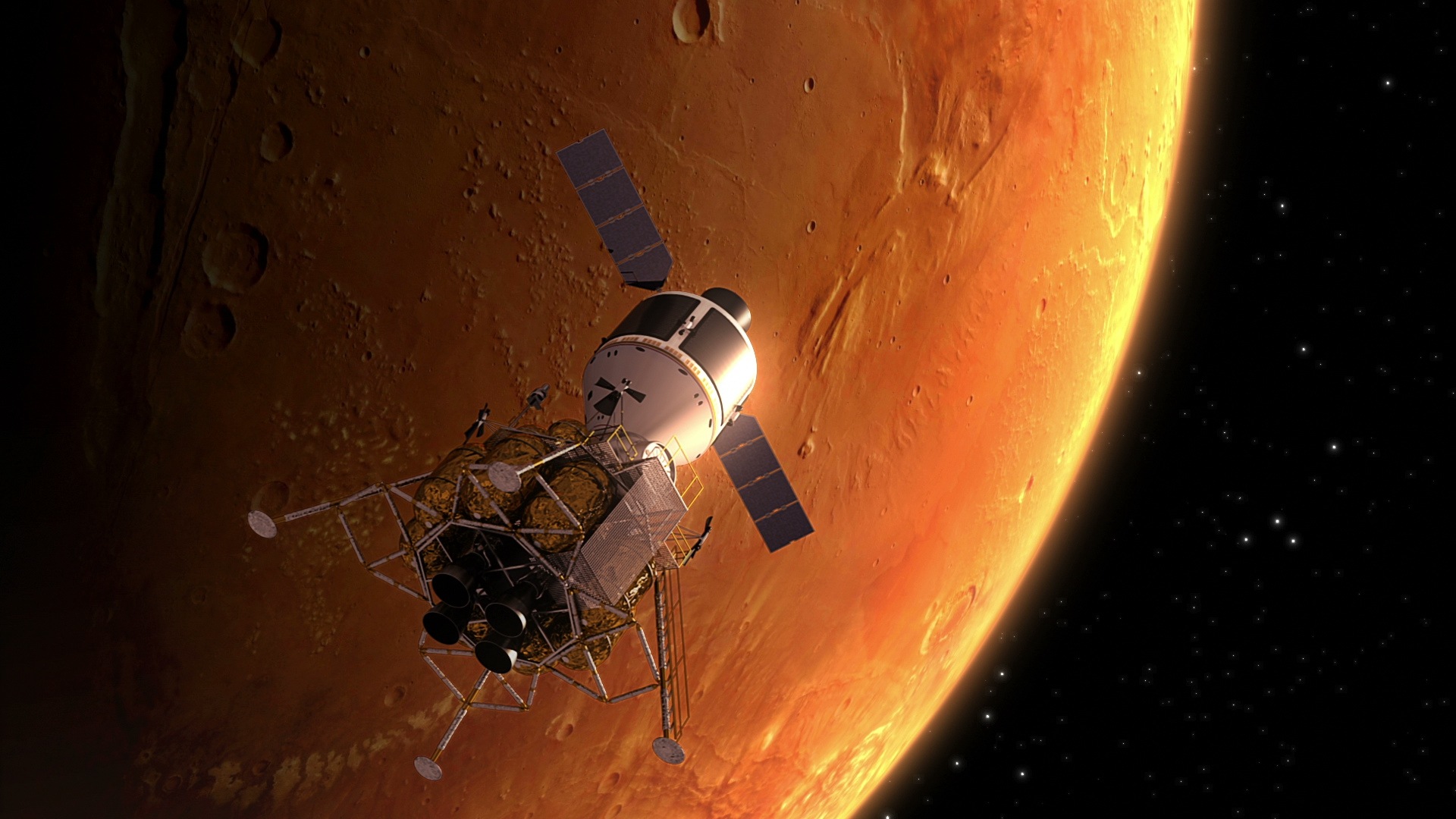
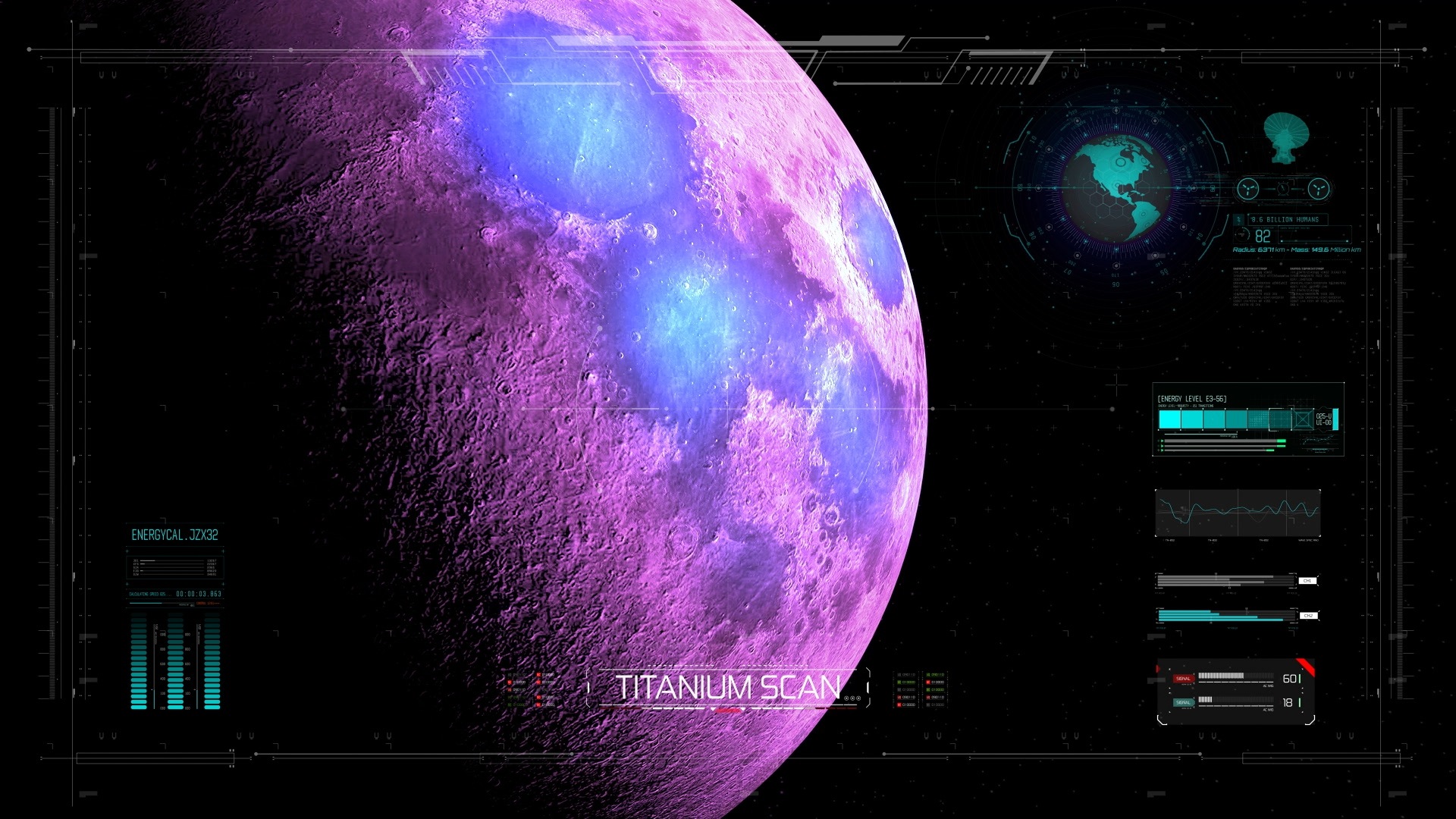
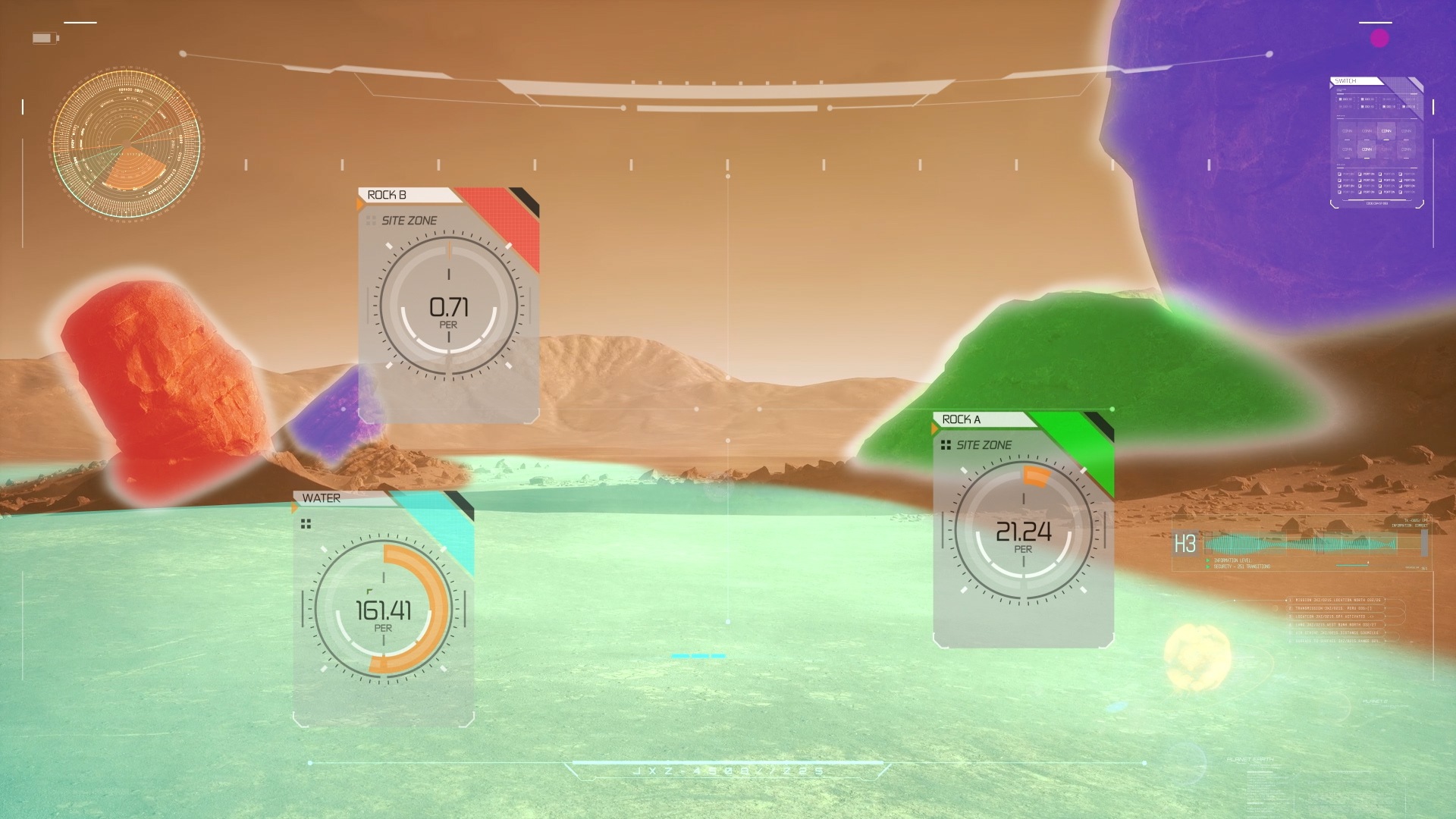
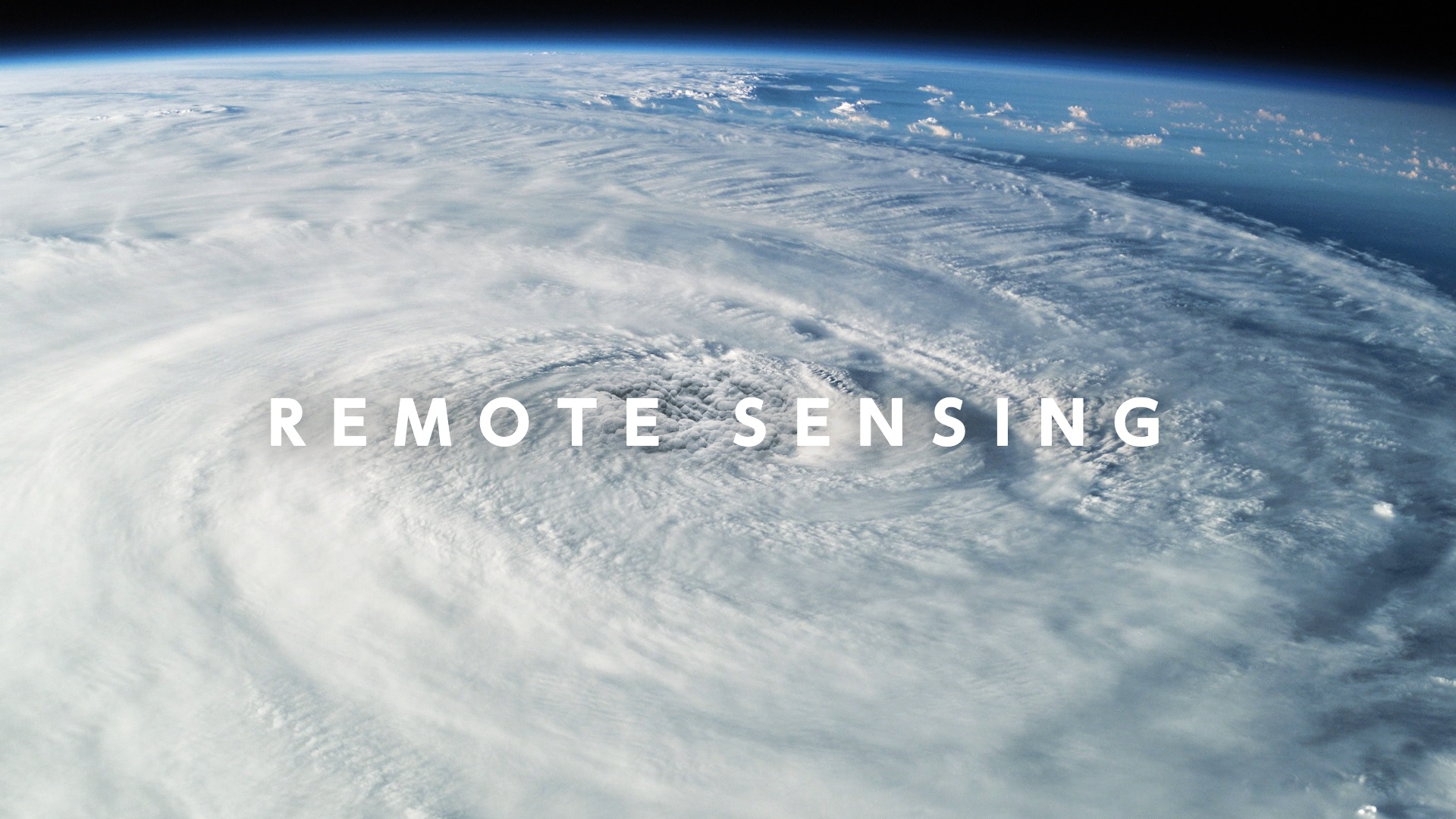
Equipping satellites with spectral imagers will enable accurate, large-scale measurements of the Earth.
Spectral imaging from satellites, aircraft, and drones can help map land cover, vegetation, and selected surface properties over large areas. Reliable quantitative retrievals require appropriate atmospheric correction, reference measurements, and validation. EBA aims to apply its optical measurement and spectral analysis expertise to remote-sensing applications and future space-related sensing technologies.
For example, this technology enables the visualization of crop growth conditions on the ground and the emission of air pollutants. It also allows for the measurement of carbon sequestration in forests and accurate weather forecasting. In particular, the measurement of carbon sequestration is likely to contribute to the revitalization of the CO₂ emissions trading market, which is currently a major international trend.
Furthermore, the EBA’s spectral imager will serve as a powerful tool—a “new set of eyes”—for sensing the physical properties of space resources, such as water and minerals, believed to exist on other celestial bodies like the Moon and Mars.
At EBA Japan, we are confident that we can help pioneer new frontiers on our increasingly crowded planet as we move toward an era of 10 billion people.

Target Spectral Camera
We propose a dedicated camera system tailored to your on-site challenges.
CONTACT
Contact Us
For telephone inquiries
03-6433-1517[Business Hours] Weekdays 10:00-18:00